What Is an Organic Waste Composting Machine?
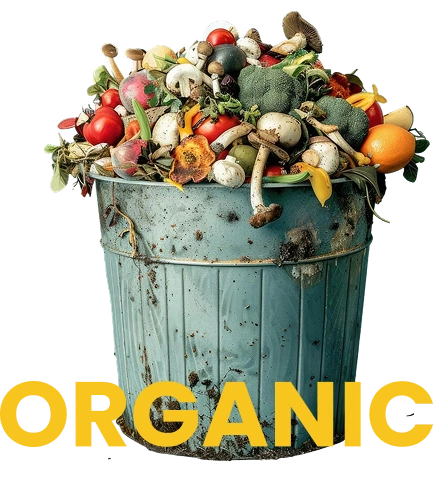
An organic waste composting machine is a specialized system designed to process organic waste such as food scraps, fruit peels, vegetable waste, garden waste, and other biodegradable materials into compost.
The machine creates ideal conditions for microorganisms to break down organic matter quickly and efficiently. Compared to traditional composting methods that may take months, modern composting machines can produce compost in a matter of days or weeks.
These machines are widely used in:
- Residential communities
- Apartment complexes
- Hotels and restaurants
- Educational institutions
- Commercial facilities
- Hospitals
- Municipal waste management projects
How Does an Organic Waste Composting Machine Work?
The composting process follows several important stages:
1. Waste Collection
Organic waste is collected from various sources, including:
- Kitchen waste
- Food waste
- Fruit and vegetable scraps
- Garden waste
- Biodegradable waste
Proper segregation is essential to ensure non-biodegradable materials such as plastic, glass, and metal do not enter the machine.
2. Waste Shredding
Many composting machines include shredding mechanisms that reduce waste size.
Benefits of shredding include:
- Faster decomposition
- Improved microbial activity
- Better moisture distribution
- Increased composting efficiency
3. Microbial Decomposition
Special microorganisms are introduced into the machine.
These microbes consume organic matter and convert it into compost through biological decomposition.
The machine maintains:
- Optimal temperature
- Proper moisture levels
- Adequate oxygen supply
This controlled environment accelerates composting significantly.
4. Aeration and Mixing
Regular mixing and aeration help:
- Prevent foul odors
- Maintain oxygen levels
- Promote uniform decomposition
- Improve compost quality
Advanced machines perform these functions automatically.
5. Compost Formation
Over time, organic waste transforms into nutrient-rich compost that can be used for:
- Landscaping
- Gardening
- Agriculture
- Green spaces
- Soil enrichment
Types of Organic Waste Suitable for Composting
An organic waste composting machine can process:
Food Waste
- Leftover food
- Rice
- Bread
- Cooked vegetables
Kitchen Waste
- Fruit peels
- Vegetable scraps
- Coffee grounds
- Tea leaves
Garden Waste
- Leaves
- Grass clippings
- Small branches
Biodegradable Waste
- Organic materials that naturally decompose
Benefits of Using an Organic Waste Composting Machine
Reduces Waste Sent to Landfills
One of the biggest advantages is significant waste reduction. Organic waste can account for over half of municipal solid waste.
By composting waste onsite, organizations reduce landfill dependency.
Supports Sustainable Waste Management
Composting promotes environmentally responsible waste disposal practices and supports sustainability goals.
Produces Valuable Organic Fertilizer
The compost generated improves soil health and plant growth without chemical fertilizers.
Reduces Greenhouse Gas Emissions
Organic waste in landfills produces methane, a potent greenhouse gas.
Composting significantly reduces these harmful emissions.
Saves Waste Transportation Costs
Onsite waste processing minimizes transportation expenses associated with waste collection and disposal.
Improves Waste Recycling Efforts
Organic waste recycling contributes to circular economy initiatives and resource recovery.
Conclusion
An organic waste composting machine is an innovative solution for managing biodegradable waste efficiently and sustainably. By transforming food waste, kitchen waste, and other organic materials into nutrient-rich compost, these systems help reduce landfill dependency, lower environmental impact, and support recycling and waste management goals.
As organizations and communities increasingly focus on sustainability, composting machines have become an essential tool for modern waste management. Investing in an organic waste composting machine not only improves waste disposal practices but also contributes to a cleaner, greener, and more sustainable future.